. Skip to main content
The Supreme Court: Lesson Plans and Resources
collection

87 Resources

The Supreme Court: Lesson Plans and Resources

Share

Share On Facebook
Share On Twitter
Share On Pinterest
Share On LinkedIn
Email
The Supreme Court: Lesson Plans and Resources

About This Collection

Supreme Court Lesson Plans for K-12

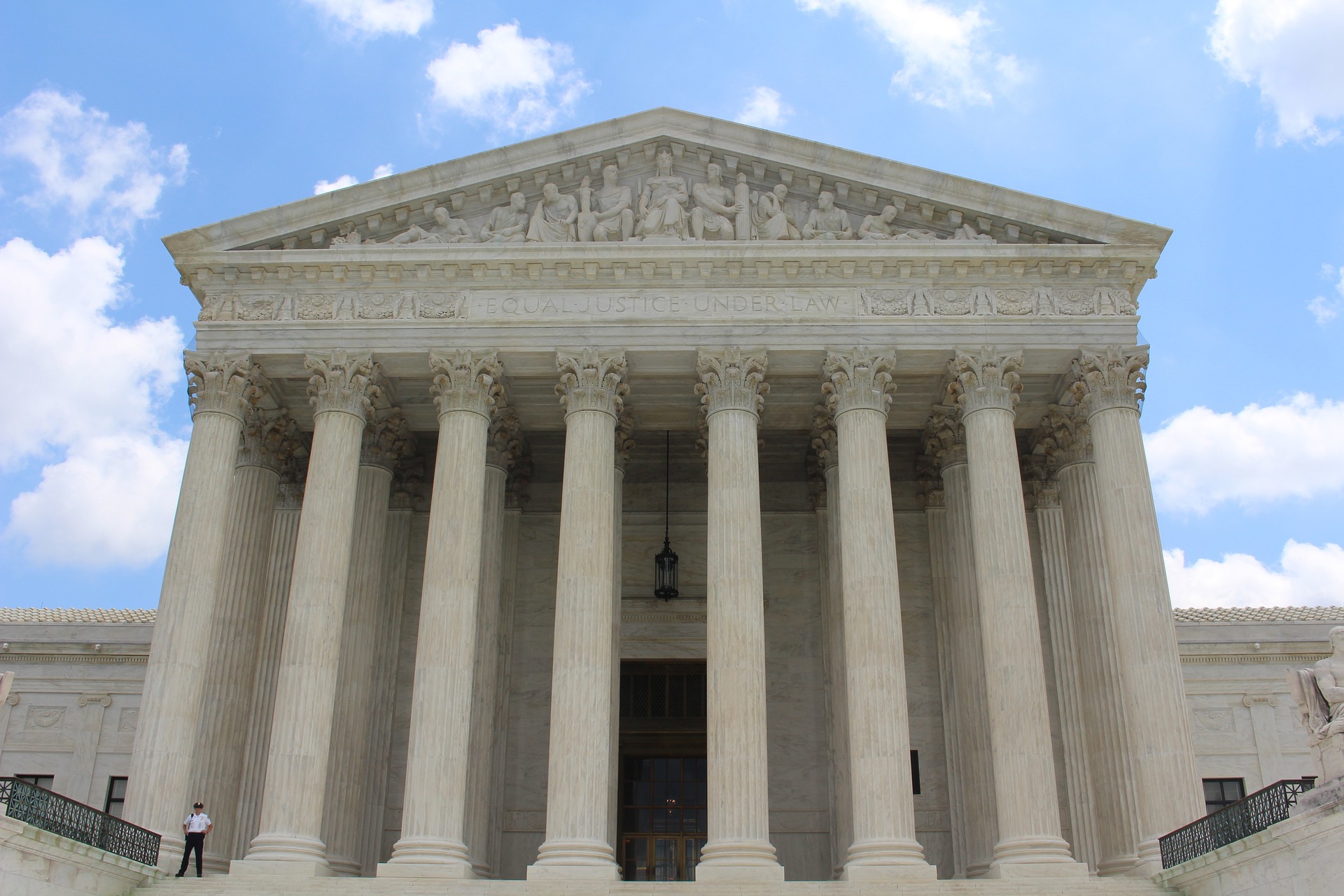
This collection of Supreme Court lesson plans helps students understand the role of the Supreme Court in the judicial branch of U.S. government. Established in 1789 under Article III of the Constitution, the Court interprets laws, resolves constitutional disputes and shapes public policy through its decisions.

These resources guide students through essential questions about SCOTUS:

  • What does the Supreme Court do? Students explore judicial review, constitutional interpretation and the Court’s authority within the system of checks and balances.

  • How do cases reach the Court? Lessons examine the appeals process, oral arguments and how justices issue majority and dissenting opinions.

  • Why do landmark cases matter? Students analyze major decisions such as Brown v. Board of Education and consider how rulings influence civil rights, individual liberties and federal power.

  • How does the Court impact current events? Materials connect students to contemporary Supreme Court cases and debates shaping American law.

Designed for K–12 classrooms, these adaptable lesson plans, activities and multimedia resources support critical thinking about constitutional law and civic participation. Students gain a clearer understanding of how Supreme Court decisions affect their lives and the functioning of democracy.

What Is the Supreme Court?

The Supreme Court is the highest court in the United States and the final authority on interpreting the Constitution. Established under Article III in 1789, it reviews cases involving constitutional questions, federal law and disputes between states. Through the power of judicial review, the Court can determine whether laws or executive actions align with the Constitution.

Understanding how the Supreme Court functions helps students see how the judicial branch balances the powers of Congress and the presidency within the system of checks and balances.

How Does the Supreme Court Affect Students Today?

Supreme Court decisions shape many aspects of daily life, including civil rights, freedom of speech, privacy, education policy and voting rights. Landmark cases such as Brown v. Board of Education have directly impacted schools and students across the country.

By studying Supreme Court rulings, students learn how constitutional interpretation influences public policy and civic life. These lessons encourage learners to analyze how judicial decisions affect their rights and responsibilities as citizens.

Resources

Educating for Democratic Citizenship

The Shanker Institute in partnership with the American Federation of Teachers, Share My Lesson the and the AFT Innovation Fund has launched this Educating for Democratic Citizenship Project whereby a group of accomplished, experienced AFT educators have developed these Action Civics lessons and materials that we hope will improve teaching and learning of American History, Government, and Civics for teachers and students.

Advertisement