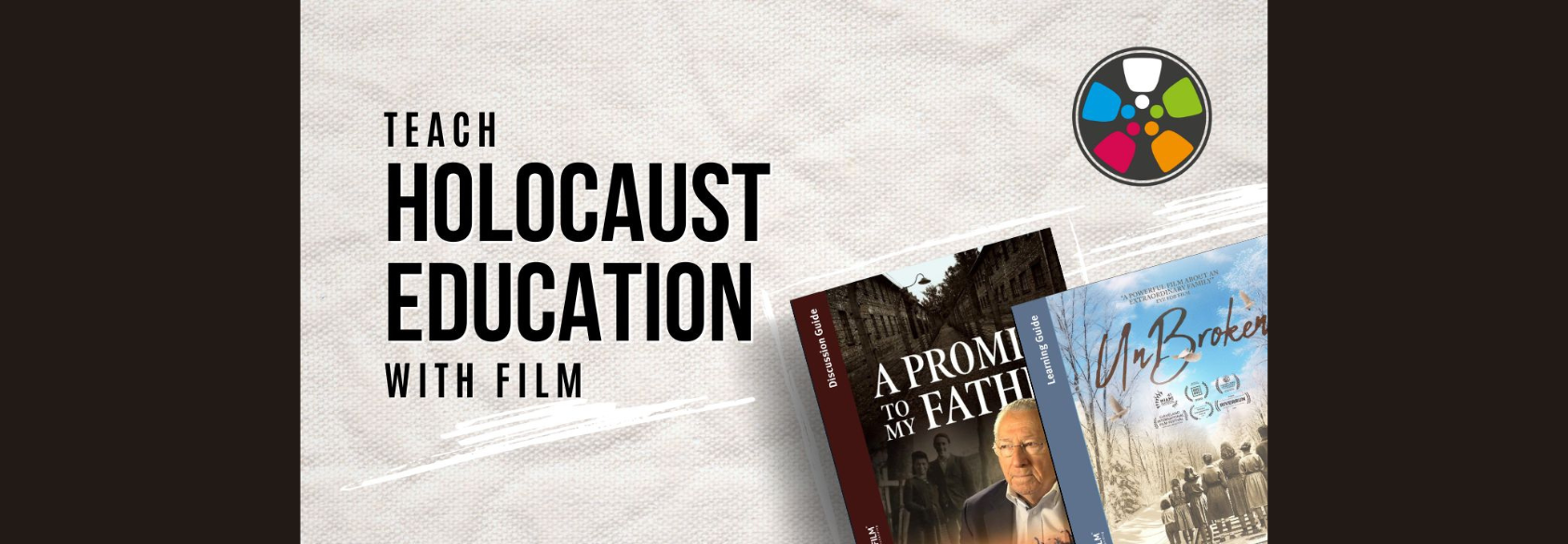
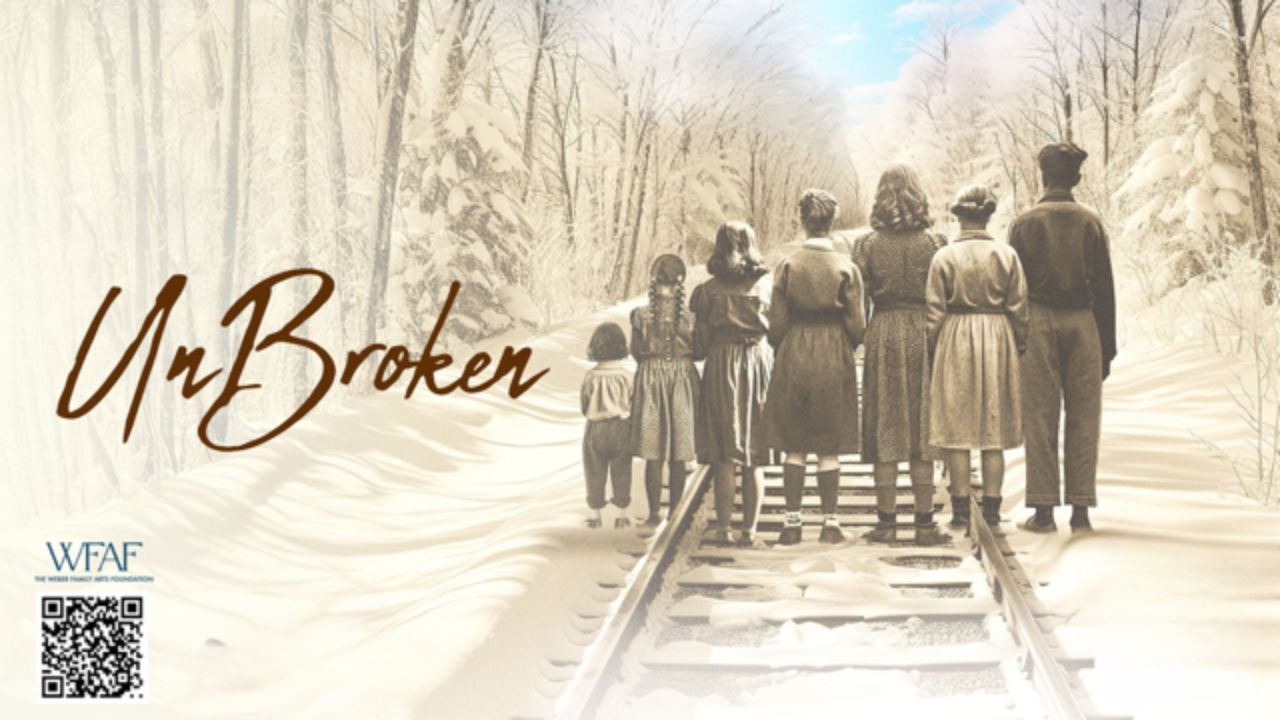
Teaching Holocaust education with film can drive home the enormity of the genocide that took place during World War II, and it can also equip students with skills to navigate the present. Holocaust education underscores the value and importance of critical thinking, empathy and understanding. Nazi Germany and its collaborators systematically murdered 6 million European Jews in the Holocaust, along with 5 million additional victims, including members of other marginalized communities.
While the enormity and significance of the Holocaust is reason enough to teach and learn about it as a historical event, its lessons also speak to challenges that teachers and students are facing today, like responding constructively to bias, discrimination and divided communities. Holocaust education can work hand in hand with social emotional learning (SEL) and anti-bias education to motivate students to combat antisemitism, Holocaust denialism and distortion, along with broader forms of bias and discrimination, and empower them with the skills and agency to succeed.
Why Teach Holocaust Education?
Teaching the facts of the Holocaust honors the past and protects the future. Learning the facts of the Holocaust empowers students to confront wider trends of disinformation and to counter contemporary forms of antisemitism and other forms of hate targeted at groups and individuals.
While it is important to teach about the specific nature of the Holocaust as a unique event in history, it also contains lessons that speak to students’ and teachers’ lives today. Studying antisemitism in the context of Naziism sheds light on the consequences of prejudice. Holocaust education can help students develop critical thinking about historical narratives, identify the language of discrimination and dehumanization, and learn how to be effective upstanders (versus bystanders). These skills can help students deal with forms of prejudice like antisemitism, ableism, Islamophobia, homophobia/queerphobia/transphobia, misogyny and gender bias, racism, and discrimination against refugees and immigrants. Learning about the Holocaust can promote connection and community, counter bullying, build belonging, and help create inclusive school environments.
By fostering critical thinking, promoting accurate historical knowledge and cultivating safe spaces for student engagement, we can educate young people about the Holocaust so that they can better spot, address and counter Holocaust distortion, dehumanization and discrimination.